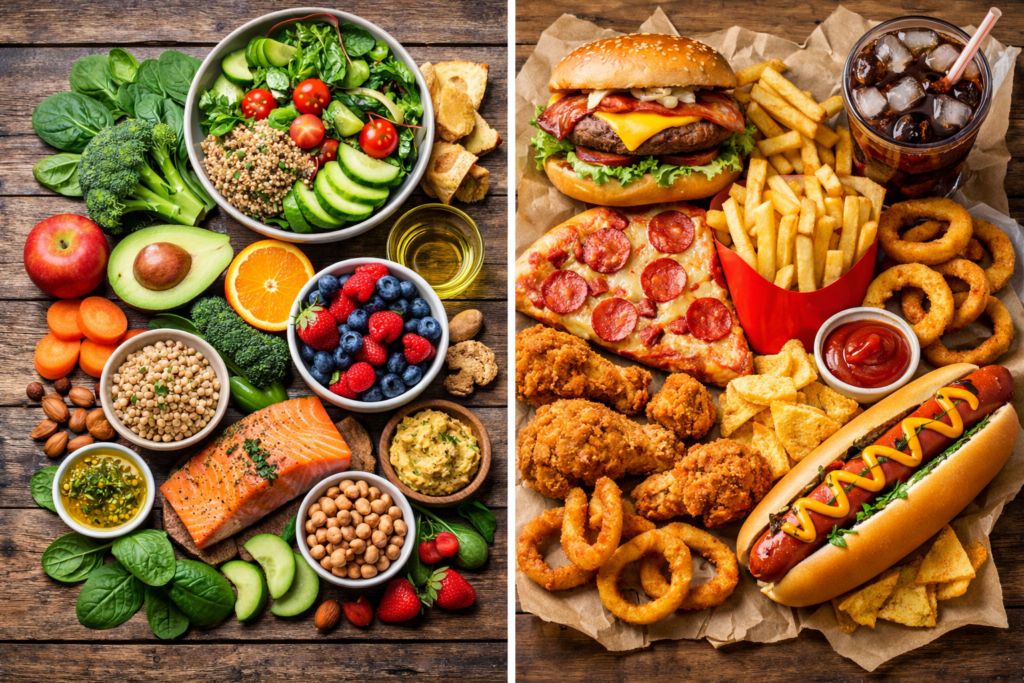
In today’s fast-paced life, maintaining a healthy diet for working women has become more important than ever. Long office hours, commuting, stress, and lack of time often force working women to skip meals or rely on junk food. Over time, this can lead to fatigue, weight issues, hormonal imbalance, and low immunity.
A balanced and nutritious diet helps working women stay energetic, focused, and healthy throughout the day.
This article explains why a healthy diet for working women is essential and how simple food choices can make a big difference, even with a busy schedule.


Table of Contents
Why Is a Healthy Diet Important for Working Women?
Working women juggle multiple responsibilities—career, home, and personal life. Without proper nutrition, the body starts showing signs like tiredness, poor concentration, hair fall, and frequent illness.
A healthy diet for working women helps to:
- Maintain energy levels
- Improve concentration and productivity
- Balance hormonesStrengthen immunity
- Prevent lifestyle diseases like obesity and diabetes
- Eating the right food at the right time is not about dieting but about nourishing the body.
Essential Nutrients in a Healthy Diet for Working Women
1. Proteins for Energy and Strength:- Protein is essential for muscle repair and long-lasting energy. A protein-rich healthy diet for working women prevents weakness and keeps hunger away for longer.
Best protein sources: Eggs, Paneer and curd, Dal and legumes, Nuts and seeds, and more

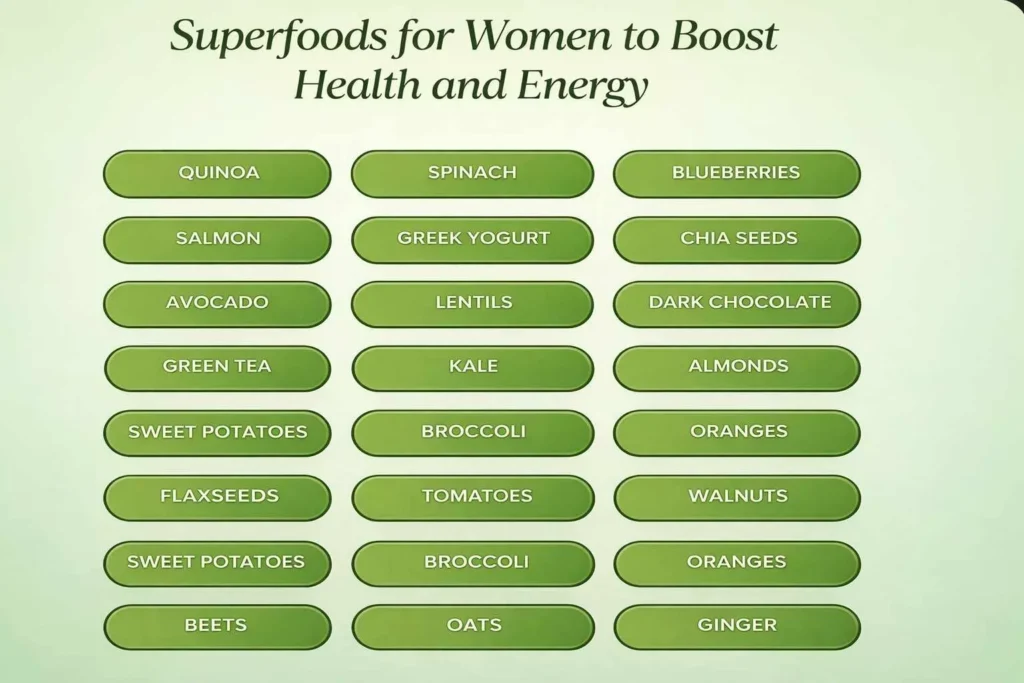
2. Complex Carbohydrates for Sustained Energy:- Carbohydrates are the main energy source. Choose complex carbs instead of refined ones.
Include: Whole wheat roti, Brown rice, Oats, Millets, and more
These foods digest slowly and keep energy levels stable during office hours.
3. Healthy Fats for Hormonal Balance:- Healthy fats are an important part of a healthy diet for working women, especially for hormonal health.
Good fat sources: Almonds and walnuts, Seeds (chia, flax), Ghee (in moderation), Avocado and more.
4. Vitamins and Minerals for Immunity:- Fruits and vegetables provide essential vitamins and minerals that protect the body from illness.
Daily intake should include: Green leafy vegetables, Seasonal fruits, Citrus fruits for Vitamin C and more.
Healthy Meal Plan for Working Women
Breakfast: Never Skip It, Breakfast fuels the body after long hours of fasting. A good breakfast improves focus and metabolism.
Healthy breakfast ideas: Vegetable oats, Boiled eggs with toast, Smoothie with fruits and nuts, Poha or upma with vegetables
A strong breakfast is the foundation of a healthy diet for working women.
Lunch: Balanced and Light lunch should be nutritious but not too heavy to avoid sleepiness.
Ideal lunch plate: Roti or brown rice, Dal or paneer, Vegetable sabzi, Curd or salad.
Evening Snacks: Smart Choice, instead of fried snacks or sweets, choose healthy alternatives.
Snack options: Fruits,, Roasted chana, Nuts, Sprouts chaat and more.
These keep hunger under control and support a healthy diet for working women.
Dinner: Early dinner should be light and eaten at least 2–3 hours before sleeping.
Healthy dinner ideas: Vegetable soup, Khichdi , Roti with vegetables, Paneer or tofu with salad and more.
Hydration: An Important Part of a Healthy Diet
Water is often ignored but is essential for digestion and skin health. Working women should drink at least 2–3 liters of water daily.
You can also include coconut water, lemon water, or herbal tea.
Healthy Eating Tips for Busy Working Women
- Plan meals in advance
- Carry homemade lunch when possible
- Avoid excess sugar and junk food
- Eat small meals at regular intervals
- Practice mindful eating
Following these habits makes a healthy diet for working women easy and sustainable.
Conclusion:-
A healthy diet for working women is not about strict rules or expensive foods. It is about smart planning, balanced meals, and consistency. Even with a busy schedule, choosing nutritious food can improve physical health, mental clarity, and overall well-being.
By making small but conscious food choices, working women can lead a healthier, more energetic, and successful life.

Written by: Shreya Pandey
Reviewed by: DieticianTips Editorial Team