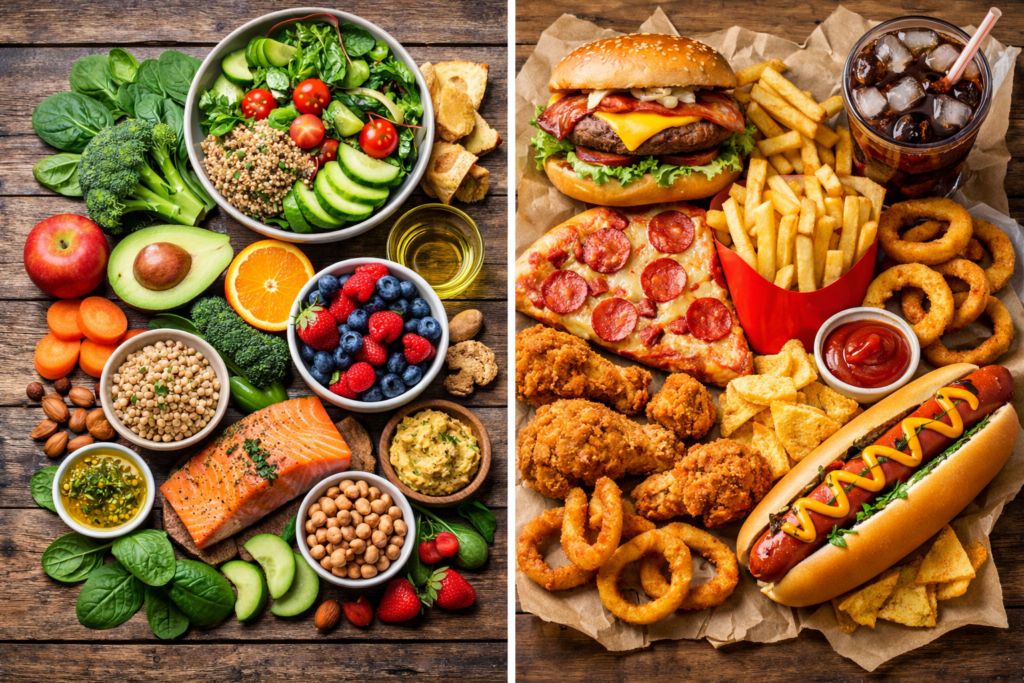
In today’s health-conscious world, everyone is bombarded with information about healthy eating and exercise — but with so much conflicting advice, it can be difficult to know what actually works. At Dietician Tips, experts believe that smart nutrition doesn’t have to be complicated. Whether you want to lose weight, boost energy, or improve your overall health, these expert tips will help you create a healthy eating plan that easily fits into your life. A balanced diet helps maintain proper body weight.


Why Trust Expert Dieticians Advice?
When it comes to nutrition advice, one diet or exercise plan doesn’t fit all. Every individual’s needs are unique, based on their age and lifestyle. This is where expert professional dieticians come in — and why following a customized dietician’s plan is more important than following random diets.
Research shows that a balanced approach to eating can make us healthier.
10 Dieticians Tips to Transform You’re Eating Habits
When it comes to nutrition advice, one diet or exercise plan doesn’t fit all. Every individual’s needs are unique, based on their age and lifestyle. This is where expert professional dieticians come in — and why following a customized dietician’s plan is more important than following random diets.
Research shows that a balanced approach to eating can make us healthier.
1. Start with a Healthy Eating Plan.
Your journey begins with a plan — not a fad. A healthy eating plan is tailored to your needs, preferences, and lifestyle, not someone else’s:
Focus on nutrient-rich foods, Consume a balanced ratio of protein, carbohydrates.

2. Maintain a consistent eating pattern throughout the day.
A good plan and balanced diet boosts energy and supports metabolism without depriving you of anything. 4. Include variety and nutrients in every meal. Eating a diverse range of foods will provide your body with essential vitamins, minerals, fibre, and antioxidants.
- Include protein sources such as chicken, fish, and tofu.
- Incorporate high-fibre foods like vegetables, whole grains,
- Nuts, seeds, and healthy fats from olive oil.
3. Understand the difference between a dietitian and other nutritionists.
A professional dietitian or nutritionist has formal training in how food affects health. Their guidance can help you with:
- Preventing chronic diseases like diabetes or high blood pressure.
- Achieving weight loss or muscle-building goals.
- Creating personalized meal plans tailored to your preferences and restrictions.
Seeking their guidance helps you avoid misinformation and ensures safe, effective progress. Daily habits that make a big difference:
Dietitian always advise us to follow a balanced diet for a healthy life
4. Control not only what you eat, but also the quantity.
Use smaller plates to eat so you eat less food. Good health isn’t just about eating the right foods, but also about eating the right amount. Eating too much can also harm the body. Managing portion sizes helps maintain a calorie balance, promotes healthy digestion, and prevents overeating. When you pay attention to portion sizes, your body receives exactly what it needs—no more, no less—allowing nutrients to function effectively. This mindful approach to eating leads to better energy levels, weight management, and overall well-being. A balanced diet helps our body get all the nutrients it needs, it helps in maintaining a healthy body weight.
5. Drink plenty of water.
Water aids digestion, improves metabolism, and prevents overeating. Drink water before meals and throughout the day. One of the simplest ways to support your body’s daily functions is by drinking enough water. Proper hydration helps maintain energy levels, improves digestion, flushes out toxins, and keeps skin and organs healthy. When the body is well-hydrated, it functions more efficiently, leading to reduced fatigue and improved focus. Making a habit of drinking water throughout the day is a small step that has a significant impact on overall health. For strong immunity, drinking plenty of water and taking a balanced diet rich in vitamins and minerals is essential.

6. Don't skip meals.
Skipping meals often leads to overeating later. Skipping meals disrupts the effectiveness of a balanced diet, so regular eating is important. A regular eating schedule maintains energy levels and prevents overeating. This also keeps your metabolism stable. For a strong immune system, a balanced diet is very important.
7. Eat healthy snacks for better energy.
Smart snacks like fruits, yogurt, nuts, or popcorn prevent energy dips between meals and prevent overeating at dinner. Dieticians recommend a balanced healthy snack tailored to age, activity level, and health goals. Healthy snacks act fuel for your body – they recharge your energy. Choosing the right snacks helps maintain stable blood sugar levels. Foods containing carbohydrates, protein, and healthy fats provide a sustained release of energy, preventing energy crashes. Fresh fruits, nuts, yogurt, sprouts, and whole grains provide essential nutrients that boost physical strength and mental alertness. Opting for nutritious snacks instead of sugary or fried options provides your body with clean energy that lasts longer, keeping you active and refreshed throughout the day. Fruits and vegetables are part of a balanced diet.

8. For informational purposes, pay attention to your balance diet.
Many people find that this increases accountability and provides motivation to make healthier changes. A balanced diet can prevent lifestyle-related diseases like diabetes, hypertension, and heart disease.
9. Remember, don't strive for perfection.
Eating perfectly every day isn’t possible. We should eat a balanced diet every day. Focus on the main thing – choose healthy options most of the time, and occasionally enjoy your favourite foods!
10. How to get started with expert support.
If you feel overwhelmed by food choices or have specific goals, working with a qualified dietitian or nutritionist can make a big difference. A balanced diet protects us from many diseases. They can help in the following ways:
Creating a customized meal plan tailored to your body and lifestyle educating you about portion sizes and reading food labels, for a strong immune system, a balance diet is very important

Conclusion: Build Lifelong Wellness with a Balanced Diet
A healthy lifestyle starts with mindful choices, not extreme diets. Following a balanced diet consistently nourishes your body, strengthens immunity, and fuels energy levels. Small, sustainable changes often create the biggest impact over time.
Listen to your body, eat a variety of nutrient-rich foods, stay hydrated, and maintain regular meals. With patience, guidance, and dedication, achieving your health goals is not only possible but also enjoyable. Let a balanced diet be the foundation of lifelong wellness — because a healthy body supports a happy, productive, and vibrant life. Consistently following a balanced diet promotes long-term wellness and overall vitality.
Final Words from a Dietician
A balanced diet is the foundation of good health. Small, consistent changes—like choosing nutrient-rich foods, staying hydrated and managing portions—create lasting results. Listen to your body, follow expert advice, and remember: healthy eating is a journey, not a race. With the right guidance, achieving your wellness goals is not only possible but enjoyable. Consistently following a balanced diet promotes long-term wellness and overall vitality.
Small changes will yield big results. Achieving your health and fitness goals is not impossible. Are you ready to take the next step? For more expert information, visit Dietician Tips at dieticiantips.in, or follow us on – Facebook and Instagram
Eat well, feel well, live well!
Stay healthy, stay busy and stay happy.😃
Written by: Archana Verma
Reviewed by: DieticianTips Editorial Team