
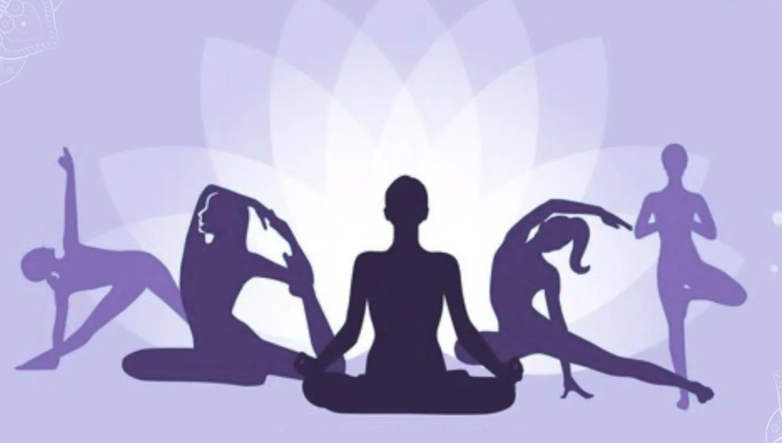

In today’s fast-paced lifestyle, Yoga & Meditation are more than just a trend in wellness or spiritual practices – it is the most practical and time-tested tool that helps people to deal with stress, emotional overload, and mental exhaustion. Mental restlessness has become the standard. Sleep disturbances, hormonal imbalance, emotional eating, poor digestion, anxiety, and persistent stress are all indicators of an overburdened mind. Therefore, inner peace has become more of a need than a luxury. Inner peace is not about escaping; it is about responding to life with clarity rather than chaos. As a dietitian who also practices yoga and meditation extensively for mental health, I have personally witnessed how these holistic practices gently yet powerfully transform lives.
True health, in our opinion at dieticiantips, is a harmony between mental tranquility and physical nourishment. This blog is designed to educate you on how yoga & meditation work together to provide a straightforward, long-lasting route to inner peace that doesn’t call for significant lifestyle adjustments.
Yoga & Meditation: A Complementary Approach to Mental Wellness
Yoga & Meditation are two ancient Indian practices that focus on syncing the mind, body and soul. It is an amalgamation of physical postures (asanas), breath control, mindfulness, mantra meditation, body scans and so on. Despite having a significant difference between them, Yoga & Meditation are so closely linked that they are often used interchangeably. Let us try to understand the key differences between them.
What is Yoga?
Yoga is a comprehensive mind–body practice that incorporates relaxation, breathing exercises (pranayama), and physical postures (asanas). The primary goal of yoga is to strengthen the body and calm the mind. Regular yoga practice enhances digestion, muscle strength, flexibility, and posture, therefore, increasing the overall energy levels of an individual. By balancing the breath and releasing physical tension, yoga also helps the mind to get ready for meditation. You won’t believe that yoga can be extremely calming or energizing but yes, depending on the style, which makes it appropriate for those seeking both stress relief and physical fitness.
What is Meditation?
Meditation is a mental practice that emphasizes awareness, focus, and inner stillness. Unlike yoga, meditation involves no physical movement and is usually practiced in a seated or lying position. The main goal of meditation is to consciously focus on or observe the thoughts, which in turn helps us develop clarity, emotional balance, and mindfulness. Meditation can be practiced for just a few minutes a day, as even 5 minutes can work well. It is considered to be the most effective way of reducing stress, anxiety, and mental fatigue.
What is the difference between Yoga & Meditation?
The key difference between yoga & meditation lies in their approach. Yoga focuses primarily on consciously synchronizing the body and breath, whereas meditation focuses on just becoming aware of thoughts and emotions and gently observing them. Yoga improves physical health, which eventually calms your mind, whereas meditation directly programs the mind to remain calm and focused.
Yoga sessions usually last longer (30-60minutes) and involve movement, while meditation can be practiced for shorter durations (5-20minutes) and requires no movement. Yoga often includes meditation as part of its practice, but meditation can also be practiced independently of yoga.
Nourishing the Gut and Mind: A Dietitian’s Insight into Yoga, Meditation, and the Gut–Brain Connection
Many people are surprised to see a nutrition expert discuss breathing techniques and yoga postures, but the connection is deeper than it seems.
I believe that this is because the gut and the brain are inextricably linked via the vagus nerves, which are responsible for controlling the functions of the parasympathetic nervous system. Yoga & meditation are the most powerful tools to tone the vagus nerve. If your mind is disturbed, your gut will be too. When you practice deep breathing (Pranayama) or hold a yoga position (Asana), you are physically massaging the vagus nerve. This increases enzyme secretion in your digestive tract and promotes digestion.
Have you ever observed, if you’re eating very heavy or processed foods, it impacts your state of mind as well? You start to feel very lazy,

disinterested, or a sense of lethargy kicks in. At the same time, if you have something very sugary or loaded with caffeine when you are buzzing, you become hyperstimulated. So definitely food has an impact on the mind. But the reverse is also true.
The mind also has an impact on our digestion. When you are stressed, your body goes into something called the fight or flight (stress). In fight or flight, blood gets diverted away from the digestive organs, which results in reduced supply of oxygen to all the abdominal digestive organs, which messes with the gut microflora. Therefore, it hampered digestion and causes acidity, bloating, and stomach aches. Daily practice of yoga & meditation activates the vagus nerve. The vagus nerve brings us out of fight or flight into rest and digest. And this sends blood circulation back to our digestive system.
Also, when we do the diaphragmatic breathing, it improves blood circulation in our abdominal organs. Yoga & Meditation help in:
- Lowering the stress hormones (cortisol) that trigger sugar cravings,
- Increasing awareness of hunger vs. emotions
- Improving sleep, which regulates appetite hormones
It is very important to understand that when the mind is calm, food becomes nourishment rather than comfort or escape from reality. This is why mental wellness practices are an essential part of sustainable nutrition.

A Simple Daily Routine for Inner Calm
Due to the hectic lifestyle, integrating yoga & meditation in our lifestyle might look challenging. However, it is very important to understand that yoga & meditation don’t require hours of practice and difficult postures. All it requires is mindful movement, awareness, and consistency. The best way to integrate yoga & meditation into our day-to-day life is to take baby steps, and here’s a beginner-friendly yoga & meditation routine:
- Try to do 10 minutes of gentle yoga stretches in the morning.
- You should do 5 minutes of deep breathing during work breaks.
- Last but not least is to spend 5 minutes of silent meditation or guided awareness before sleeping.
I believe that this 20-minute investment can significantly improve focus, mood, digestion, and emotional balance. The key at the end of the day is consistency and not duration.
Final Thoughts: The Journey Inward
Inner calm requires daily practice of yoga & meditation. It is a never ending journey. With my own experience, I must say that yoga & meditation help reduce stress, improve digestion, balance emotions, and allow you to respond to life with clarity instead of feeling overwhelmed. When your mind is calm, you digest food better, your sleep cycle improves, and your overall health naturally gets better.
At DieticianTips, we believe in health that radiates from the inside out. So just don’t just feed your body; feed your soul too. Start small, be patient with yourself, and watch how these ancient practices transform your modern life.
Written by: Kajal Gupta
Reviewed by: DieticianTips Editorial Team